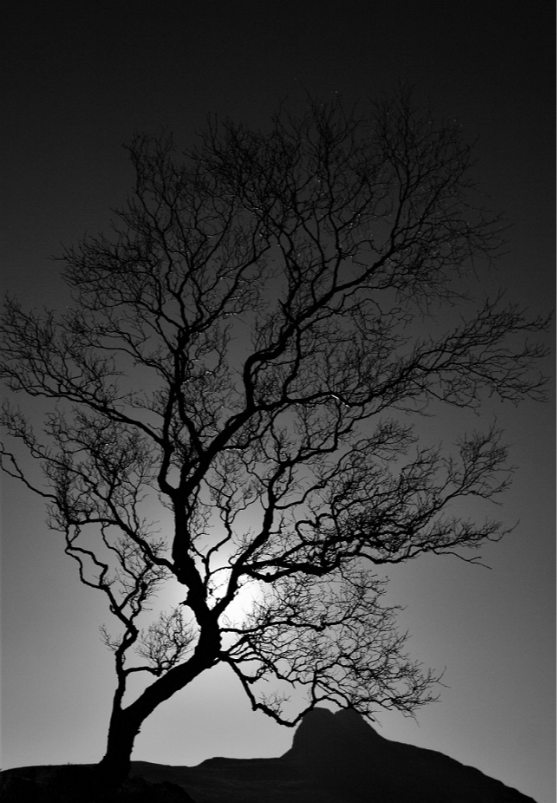
Assynt Wood - Who I Am

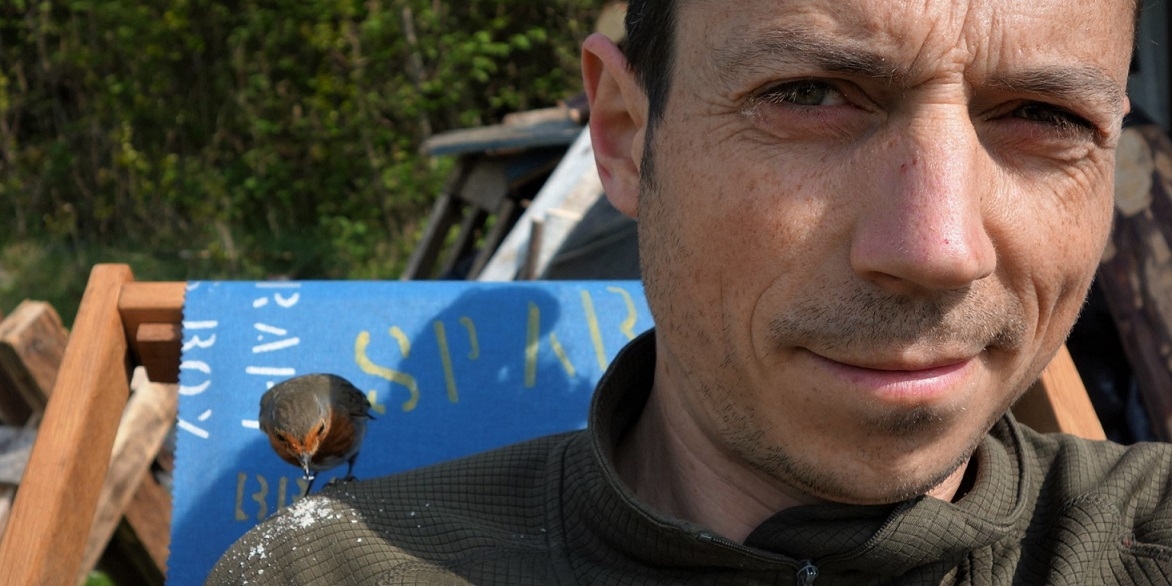
My name is Chris Goodman, I live at Achmelvich in Assynt and have been earning my living as a full time wood carver selling woody crafts and sharing the knowledge of what I do.
I grew up near Bristol and discovered Scotland and the landscape of the Highlands at the age of 20. Having lived near Glencoe and then Aviemore for a while I moved to Assynt in 2011 working in the hills to repair paths for the John Muir Trust part-time. I started selling my wooden carvings as a sideline in 2012 before trying it as a full-time venture in 2019.
For 2023 I've gone back to path work for financial security. I hope I can get back into wood carving in 2024.
My Wood Carving
I got my first taste of green wood-working on a course in Cornwall making a 3-legged stool and loved it. A few years later, in 2008, I went on to do a 6 month green wood-working course after which I just couldn't stop whittling things.
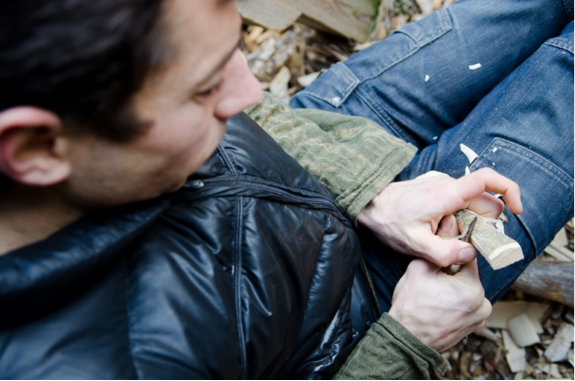
I love the process of carving, it's one of the few things that can completely absorb me in the moment and, while aspects of it are very physical, I find it very relaxing and calming. Primarily I make spoons and have a wide range of different sizes and shapes to meet all sorts of culinary needs. I want to link the finished item to the tree that it once was and in trying to do this my trademark has become a piece of the bark left on the handle of the spoons I carve.
While most of work is functional I’m increasingly enjoying the intricacy of fine carving pendants and am amazed at what it's possible to create from a bit of wood, a sharp knife and a lot of patience. I continue to learn from others and expand my knowledge of what it's possible to do with wood fibres and make a wide variety of other items including shrink pots, mugs, bowls, quaichs, stools, cord from willow bark and charcoal.
The Raw Materials
Assynt isn't the
most wooded place in Britain (trees cover only about 3% of the landscape) and
maybe not the most obvious choice of location to set up a wood carving business
but there are enough pockets of trees that I can source enough wood each year
without making in an impact on what’s left.
I source the wood I
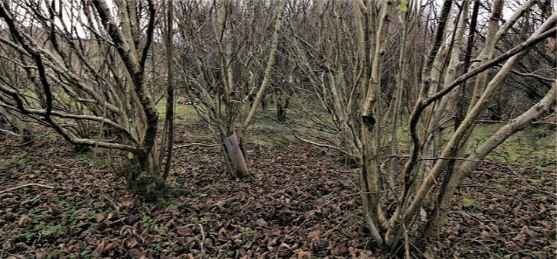
use each Winter from a friend's woodland croft which he planted around 30 years
ago. The mix of Birch, Hazel, Willow, Rowan, Oak and Alder has been managed in
the traditional form of coppicing (native deciduous trees grow back from the
base when cut down to provide an endless supply of materials). The croft is
protected from deer and sheep browsing and for me it is an inspiring example of
what can be achieved with a long-term vision (thanks Keith).
I also make use of any trees cut down to keep roads and overhead wires clear.
Traditional Tools
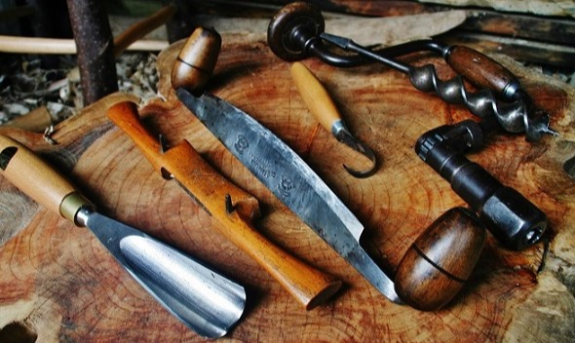
While power tools make life a lot easier I prefer to use traditional hand tools for the majority of my work. I enjoy the peace and quiet of just using a bit of elbow grease and feeling how the wood is responding in my hands. These hand tools last for generations, have a much smaller manufacturing impact, are carbon neutral to use and much easier to recycle at the end of their lives.
I must confess to using an electric sander and drill on occasions, in particular on bigger projects such as furniture, but I hope one day I can hone my skills and not need these.
The ultimate joy in wood carving for me is in being able to take a few basic tools into the woods, to work away with the sights and sounds of nature all around and come back later with some wonderful things I've made.
Environmental Ethos
I am a very small
part of nature and I depend entirely on natural processes for my survival. In
respect of that and for all other life on earth it is my desire to not alter or
disrupt those natural processes. The products I make have a very low carbon
footprint, are made from renewable organic materials, are biodegradable, free
from oil and plastic and non-toxic and I hope much more environmentally friendly
than mass-produced alternatives. At the same time I am aware that my work life
(as well as my day to day life) does impact on natural processes and on other
life on earth. I continue to strive to be more aware of my impacts, to look for
solutions and change my behaviour to reduce my impact.
To minimise the impact of Assynt Wood I endeavour to:
- cycle to work
- source my wood from a renewable source
- minimise my use of power tools and electricity
- buy second hand tools where possible
- repair my own tools when they break
- heat my workshop with my waste off-cuts and other locally sourced firewood
- use tung or organic linseed oil to protect my finished products (rather than with harmful chemicals)
- use gift tags made from recycled cotton t-shirts
- use packaging from recycled or reused paper and cardboard.
Ultimately this still involves manufacturing and transporting and emitting greenhouse gases. I am also very aware that my business relies heavily on people travelling to the area to buy my work and on me using the postal service to send out online sales. I believe this makes Assynt Wood fundamentally unsustainable due to the carbon emissions that it all creates. So what’s the solution? I see green wood-working as an intrinsic part of a self-sufficient local community where essential skills and produce are shared and traded. I hope one day that my business will be part of just such a community.
Trees in Assynt
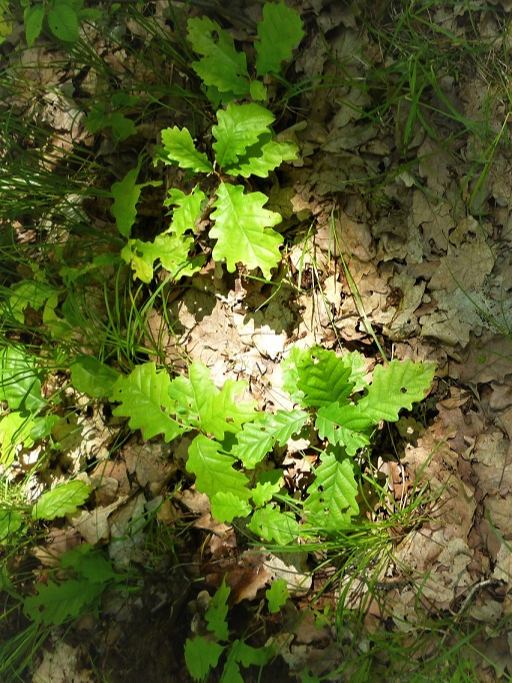
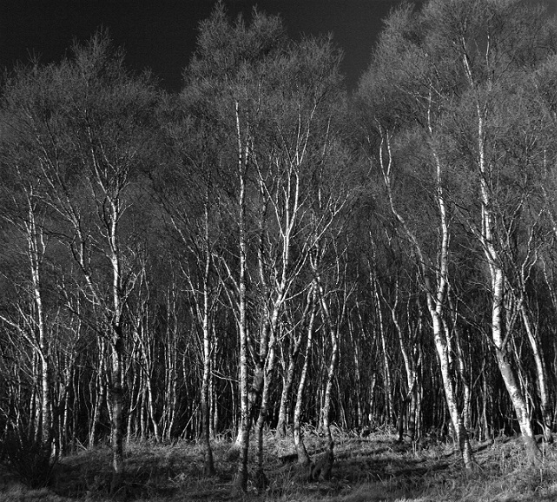
Trees and woodland might not be the first thing that comes to mind when you think of Assynt but over the last 10 years I've discovered wonderful woodlands in the area with beautiful Oaks, gnarly Birches, multi-stemmed Hazels, incredibly shaped trees and surprises such as big Lime, Elm and Beech.
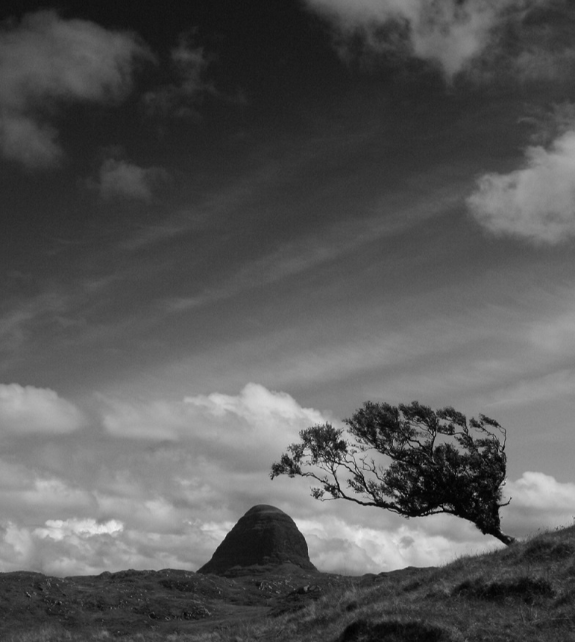
Cool and damp as the climate here is, the woodlands are lush and green and rich in mosses, lichens and fungi. The fierce winds here have shaped the trees into unique twisted shapes characteristics which I aim to capture in my finished crafts.
If you're visiting Assynt and are interested in trees here are some of the woodlands I enjoy:
Culag Woods - There's a variety of paths through this community managed mixed woodland on the edge of Lochinver.
Little Assynt - owned by the community there are a number of paths here through the young, mostly planted woodland.
River Inver loop - this more challenging route (6km) takes you up the side of the river Inver and around to Glencanisp through a mix of Birch, Beech, Larch, Sitka Spruce, Scot's Pine and more.
Doire Dubh (North West of Col Beag) is a bit more off the beaten path. There's some really gnarly Birch and Holly trees here with views to Stac Pollaidh and Col Mor.
Meanwhile the coastal roads through Inverkirkaig and Drumbeg take you through some wonderful woodland corridors.
There are some great photos of trees in Assynt by local photographer Chris Puddephatt, click here to go to his web-site.
What have trees done for us?
Where to start? A
friend joked that if trees gave out wi-fi we'd be planting them everywhere but,
unfortunately, they only give out oxygen.
I don't think it's
possible to over-estimate how important trees have been in the history of human
beings. Arguably we evolved from tree dwelling apes and that's where we find
our nearest relatives today so maybe we wouldn't be here at all without trees.
Trees sequester carbon and give out oxygen and have shaped the surface and
climate of the planet we live on helping to spread rainfall, create soils,
stabilise the ground, retain moisture, improve water quality, create habitat
for multitudes of species and so much more. Trees even improve aquatic habitats
and reforestation programmes along rivers and coast
For human beings trees have provided an endless supply of timber for building shelter and houses, tools, furniture and fences, to cook our food on, heat our homes, provide firelight in the dark, produce a huge variety of fruits and nuts, as well as glues, resins and rubber. Trees and woodland plants have provided us with medicines and saved lives - the cancer fighting drugs in a yew tree, the heart regulating drug of foxgloves, not to mention the pain relief of aspirin from willow bark. Woodlands also help cleanse the air around them with their own natural anti-bacterial secretions while patients in hospital recover quicker from illness and surgery if they can see trees from their window. Research today also confirms that spending time in healthy woodlands is not just good for our physical health but that 'forest bathing' has huge benefits for our mental health too.
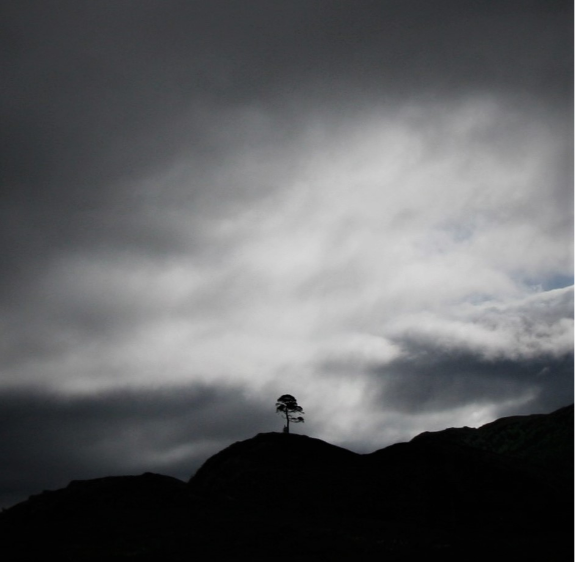
Tree of Life
For me, trees are how I make a living, how I earn money, put food on my plate and pay my bills. With a couple of car loads of fresh cut wood, knowledge and tools I can convert scrubby Birch trees into fine carved items and these into a full-time income. Money might not grow on trees exactly but for me it’s only a step away.
It's not just a financial income trees provide for me though. Trees are what holds up the roof over my head providing me with shelter and a home and what I use to produce heat and warmth for comfort and survival. The woodlands around me also provide me with foods such as hazel nuts, chanterelles and boletes as well as drinks such as Elderflower Cordial and Birch Sap wine as well as providing shelter from the elements, fresh air and healthy soils. In other words, trees are essential for my survival.
I want to be able to provide for myself from the woodlands of Assynt in as many ways as possible - from firewood to foraging, from building materials to medicinals, from physical exercise to mental well-being – and also to give back to them – to plant more, allow them to spread naturally, to understand them and respect them and to give back to them.
The future for trees in Assynt
There is much
debate about the role of woodland in the Assynt landscape and it's hard to talk
about this without triggering strong opinions about the impact of browsing
animals, the absence of top predators, the extent of what the natural tree
cover would be and how to manage the landscape from now onwards.
Whatever impact humans have had on the environment over the years I don't believe any of this was done
with bad intent - people were just trying to survive and find easier ways of doing this. We now have a greater understanding of woodland and how important it is for our survival and I hope that with this new knowledge we can find new ways to survive.
For me, I'd love to
see an increase in woodland in Assynt. Firstly, just because I love it - I love
the colours and smells, the beauty and awe of big trees, I love the shelter
they provide from the sometimes endless wind and I love the sounds of birds
singing in a woodland dawn chorus.
I'd also like to
see more trees to help with carbon sequestration and to reduce global warming,
I'd like to see more trees to help improve our soils, I'd like to see more
trees to improve the aquatic ecosystems of river and sea and I'd like to see
more actively managed woodlands - woodlands grown and looked after by us in a
way that is kind to natural processes and provide us with local, recyclable,
non-plastic, organic, carbon neutral materials whether for building, for
heating or for eating.
Maybe one day we'll
have a local economy where forestry and woodland crofts add to the traditional
crofting self-sufficiency of growing veg, rearing sheep, and hunting and
foraging wild foods. I'd like to see a time when our houses, sheds, furniture,
tools, boats and more are all built by local crafts people using local trees,
and a time when we all heat our homes using locally coppiced wood.
I'd like to eat
hazel nuts, blaeberries, apples, pears and plums all grown in Assynt and forage
wild foods on the land and in the rivers and sea, enriched by the presence of
healthy woodland and all the while be surrounded by an amazing abundance and
diversity of wildlife thriving in the woods alongside us.